Tsukuyomi

A first-person horror experience
Summary

A puzzle/horror experience loosely based on shinto myths.

Mechanics are inspired by Silent Hill f and Amnesia with a focus on Technical Design.

Specifications

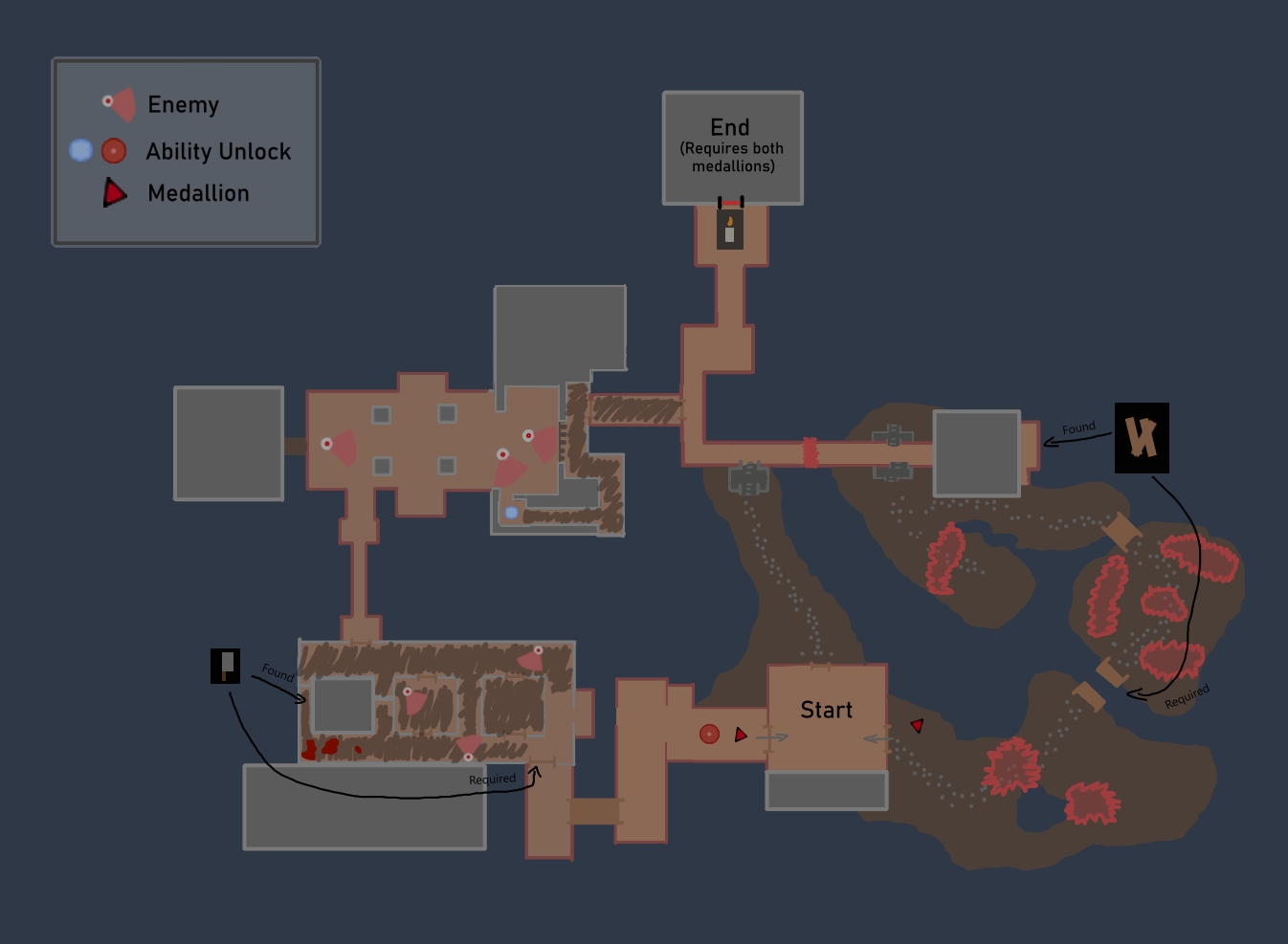
Overview

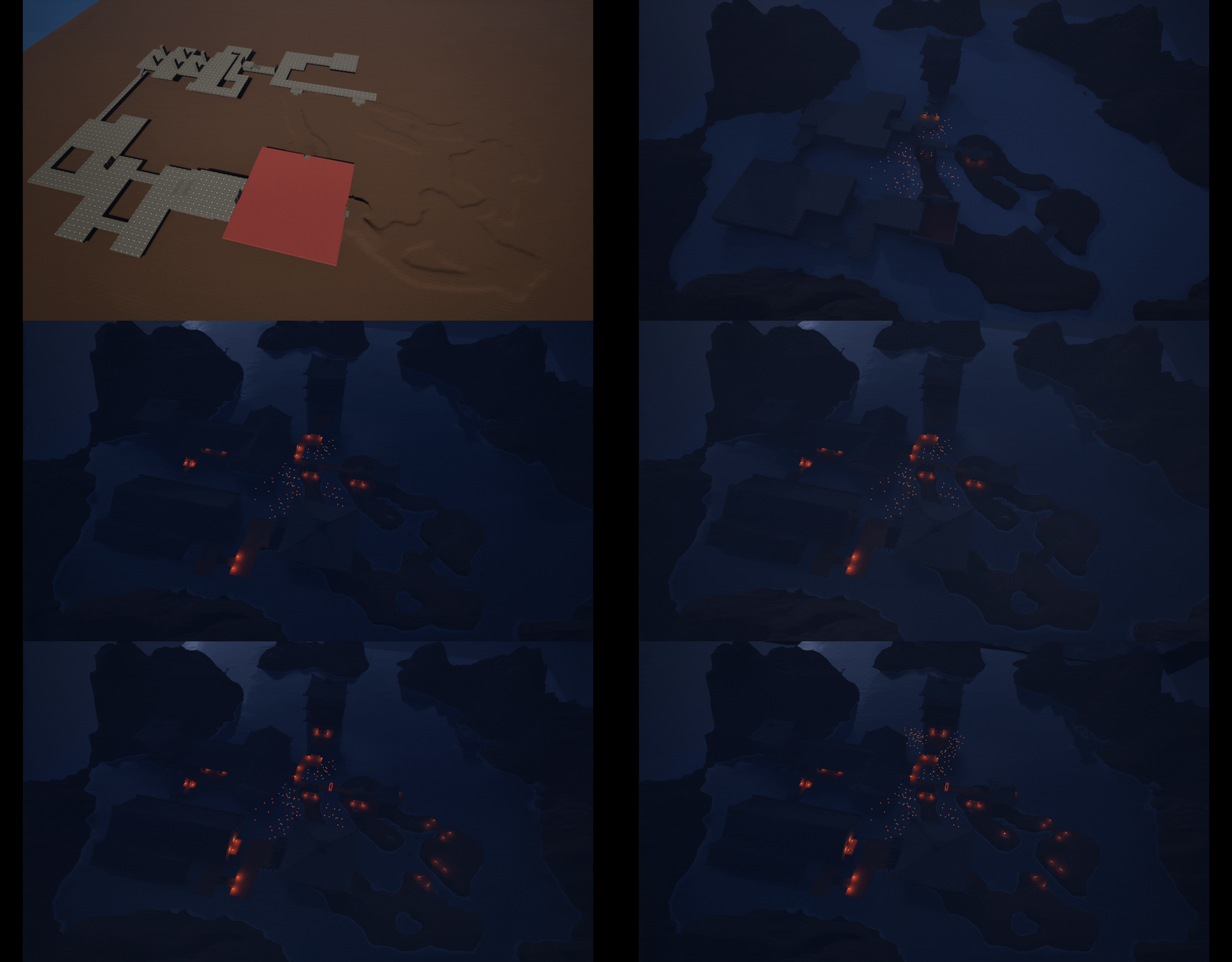
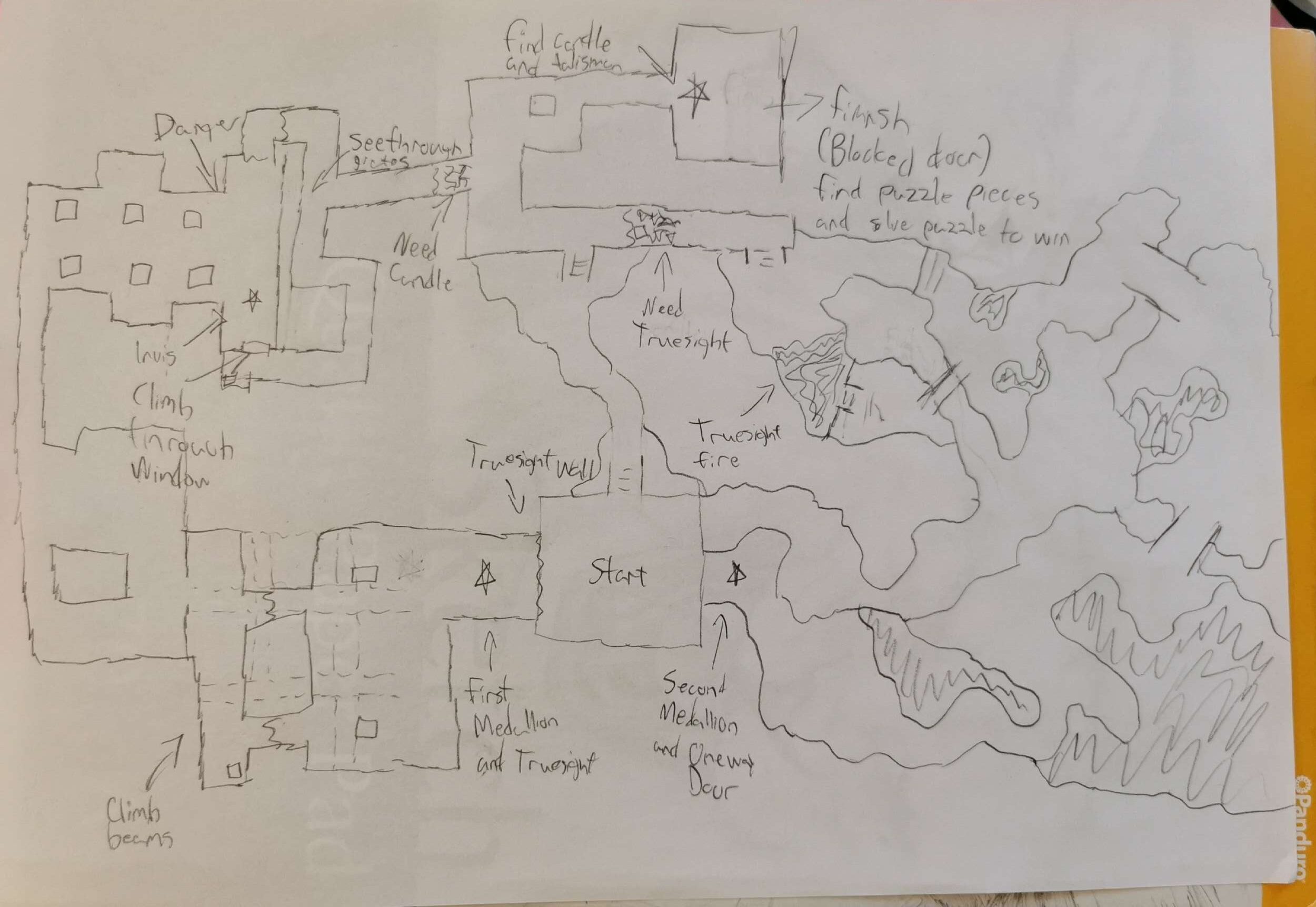
Early Paper ver.
Final Digital ver. (polished)

Progress Timelapse

With the limited time and resources that come with creating a solo project, I tried to utilize techniques commonly found in low budget horror film productions to get the most bang for my buck.

I tried to emulate the “guerilla-camera” found in movies like the Blair Witch Project and building suspense through environments rather than scripted scares.

Building a Horror Level

In order to deliver a suspenseful and tense experience befitting of the genre I took inspiration from the survival horror framework established by Resident Evil with the central pillars being:

  • Resource Scarcity, the player is always just barely scraping by.
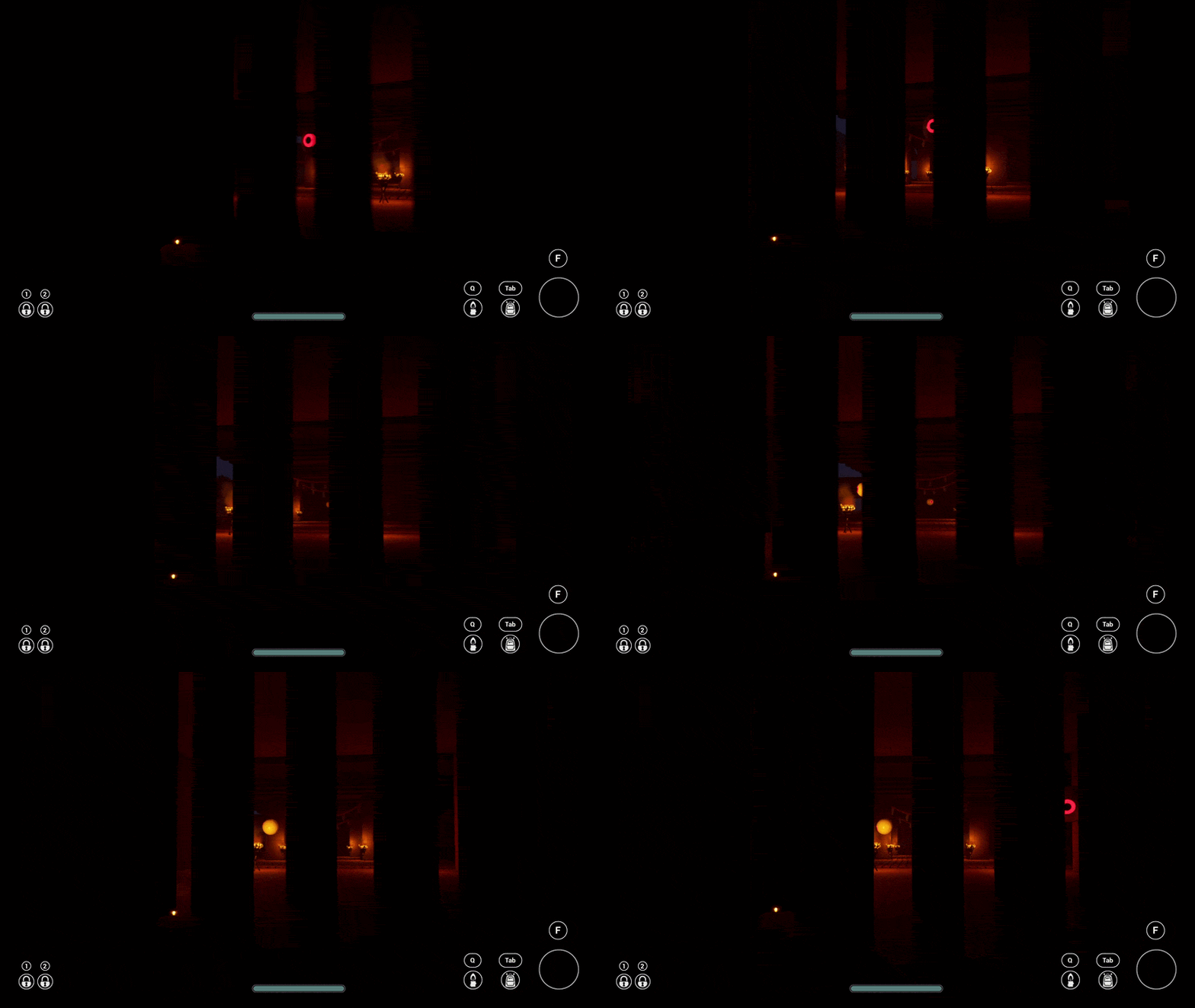
  • Tension through perspective, the controls can sometimes feel intentionally clumsy and the player often has to traverse areas with limited visibility.
  • Persistent Horror, the player is very rarely truly safe, dead enemies can spring back to life or continue to stalk you even when they’re off-screen.

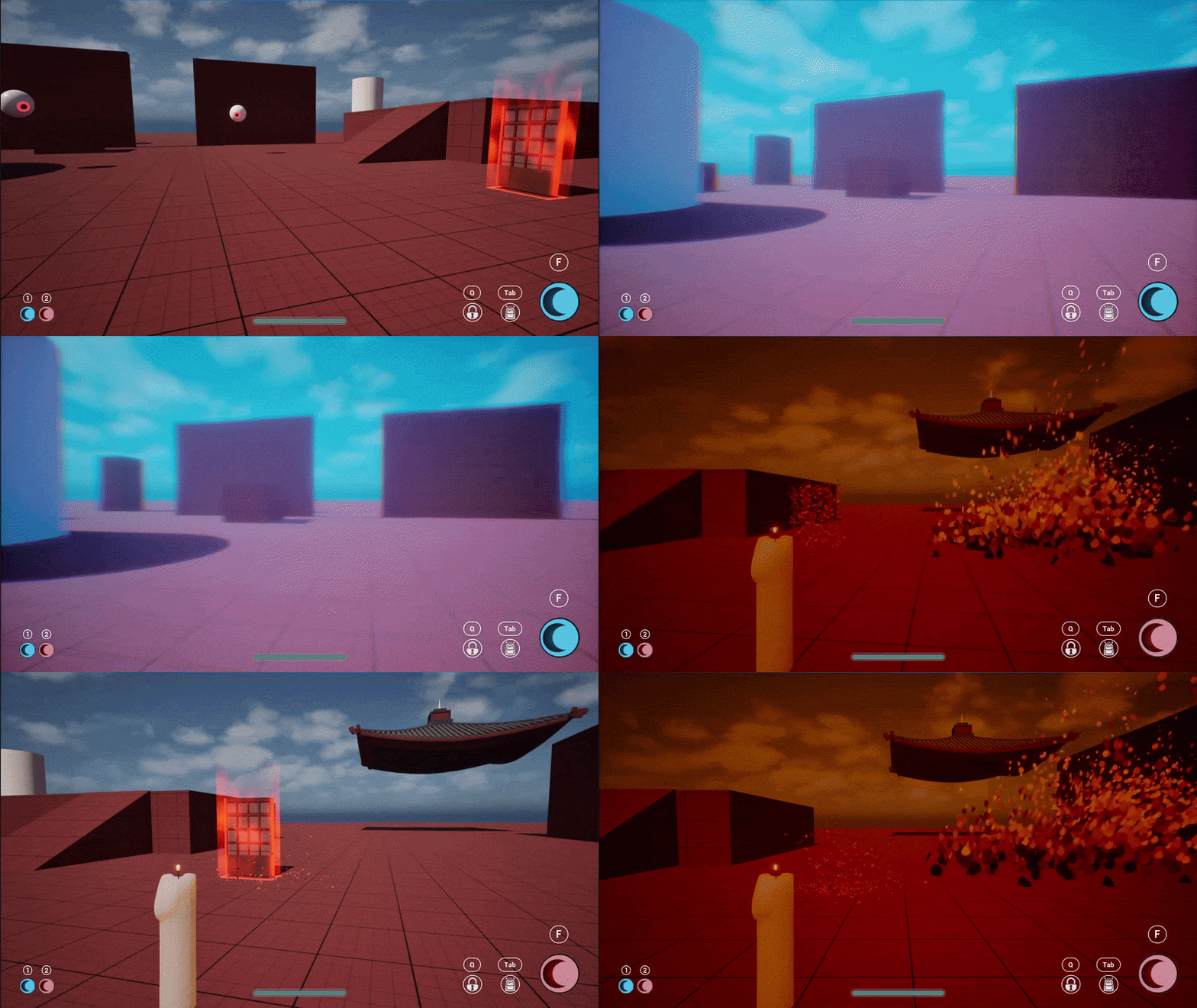
The player unlocks two major abilities during the level, each one transporting the player to the land of the living or the land of the dead respectively.

Traveling to the land of the living hides the player from the enemies, but conversely also hides the enemies from the player. Traveling to the perilous land of the dead reveals false objects and hidden hazards in the level. 

Both abilities are time-limited, so the player has to rely on their memory to fully utilize them.

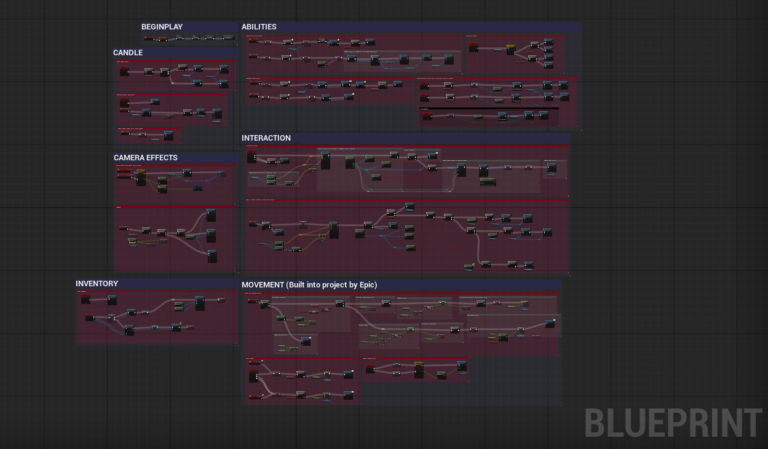
Creating the player controller

The level uses a fully custom player controller inspired by Amnesia. The goal when creating it was to make actions feel kinetic and deliberate through the usage of physics, while adding just the right amount of clumsiness to stress the player out in tense situations.

I also built a responsive HUD to go along with it, helping to explain what items can be interacted with, and in what way.

Puzzle Mechanics

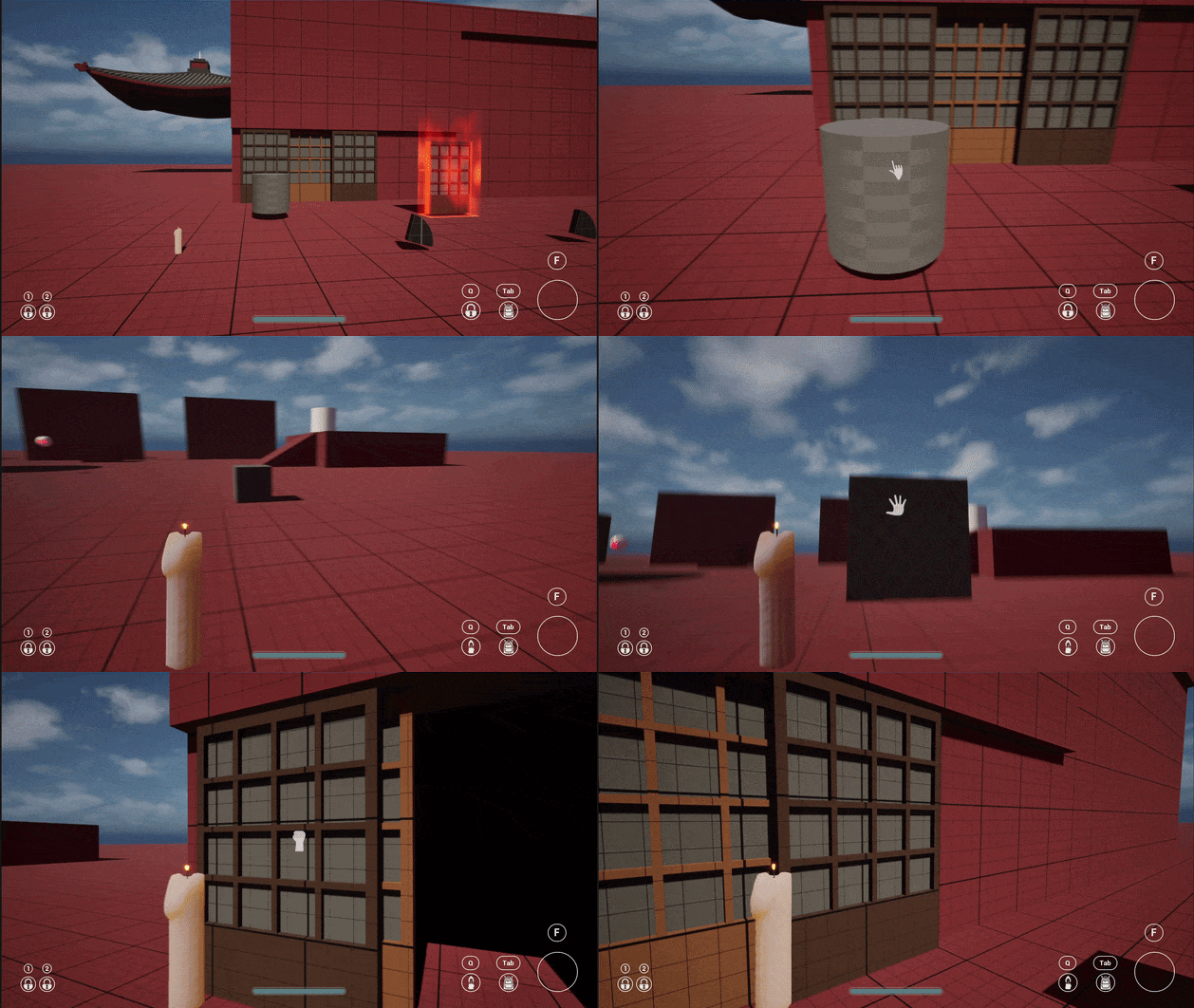
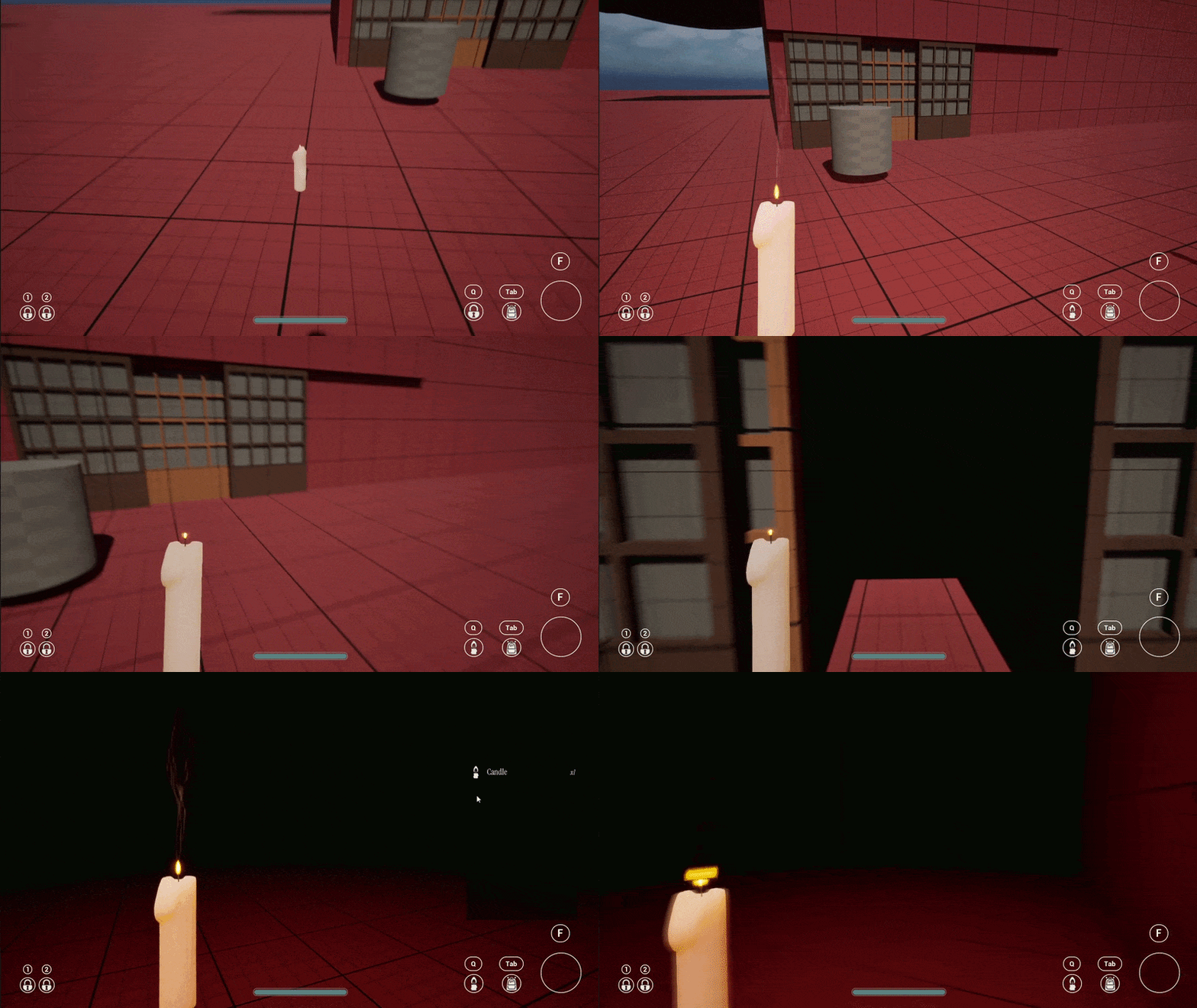
The main puzzle mechanics in the level are classic Resident Evil-style lock and key puzzles, and a candle system that adds an element of resource management.

The candle is an essential tool that is used to light up dark areas. When used the candle slowly melts and the player has to continually replenish it as to not be left in the dark.

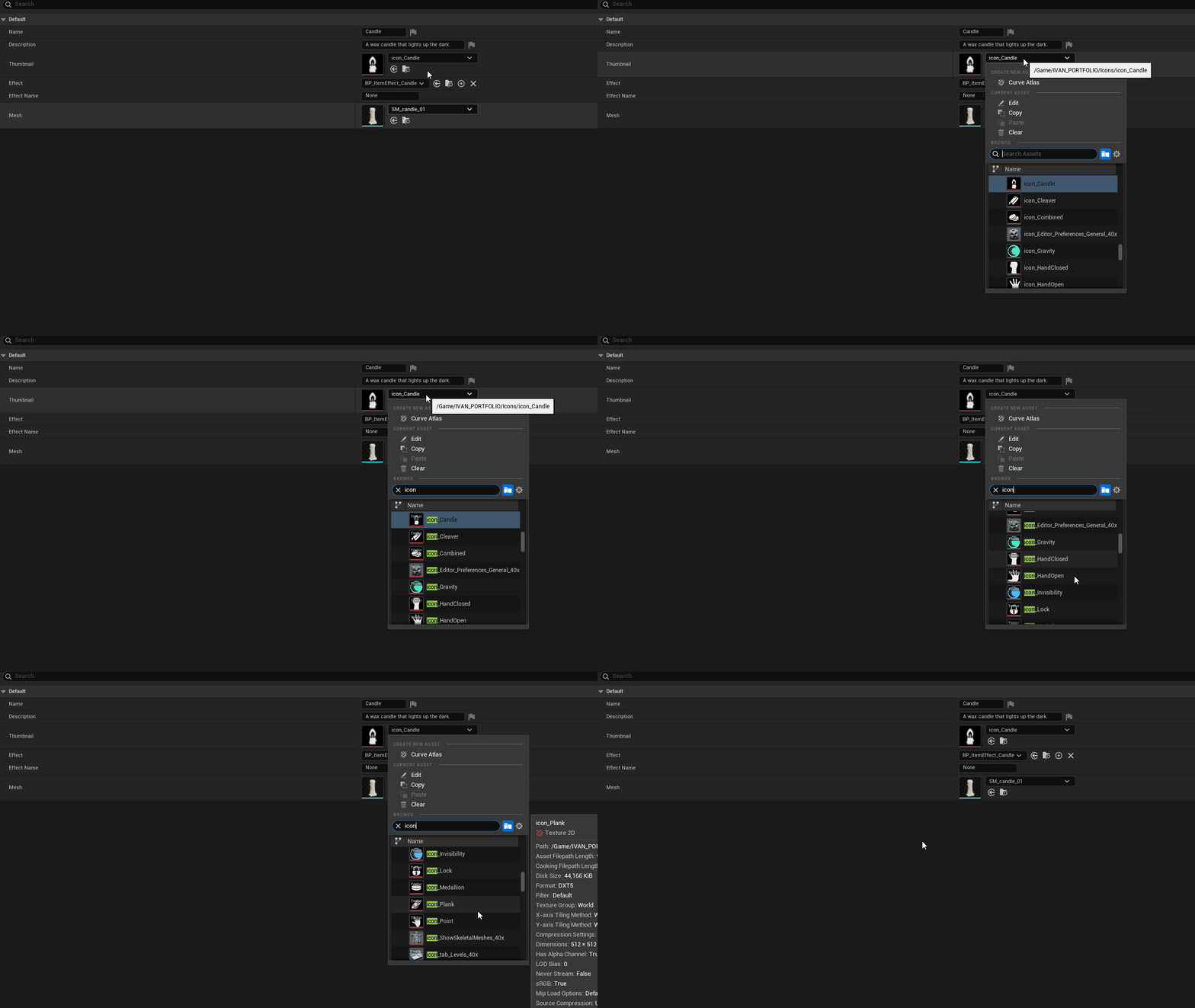
The base of the system uses Data Assets to store all relevant information about the item such as an icon, short description, mesh to display in the world and what the item does when used.

I then use an Actor Component to store what items the player has picked up, and use functions within it to add or remove items dynamically.

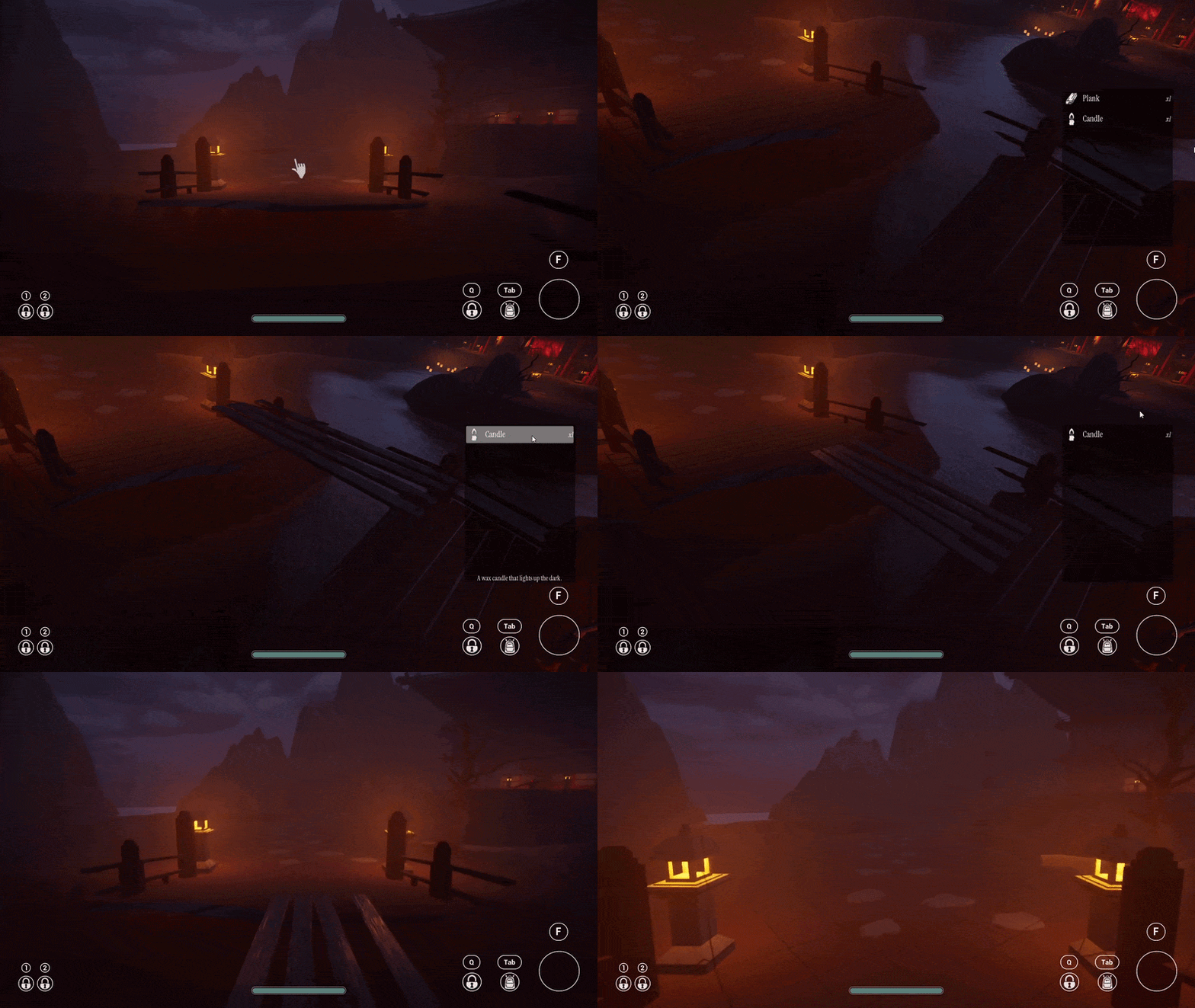
Inventory System

The goal of the inventory system was to give way to classic Silent Hill and Resident Evil-style puzzles, while staying modular and scalable to the point where it could theoretically function in a completely different project.

Inventory systems are classic pitfalls where you can easily end up spending exorbitant amounts of time on them, hence why I decided to limit myself to a maximum of 2 days (~8h working time).

Enemies

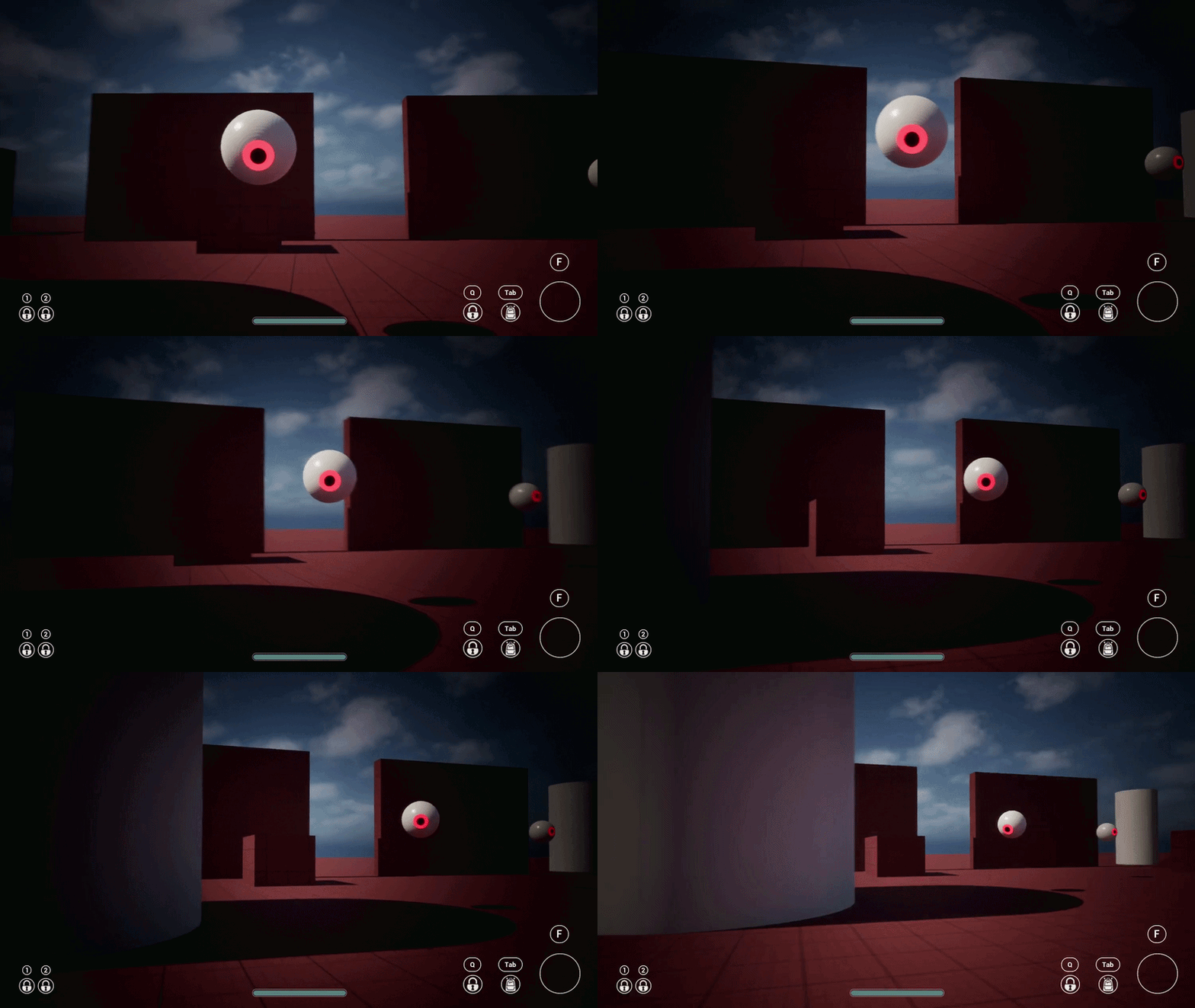
The player can encounter giant eyeballs throughout the level, these serve as the main enemy and will spot the player if they get too close.

Meeting their intense gaze will induce a panic-like state that eventually ends in a game over if the player doesn’t escape fast enough.

Modular Workflow

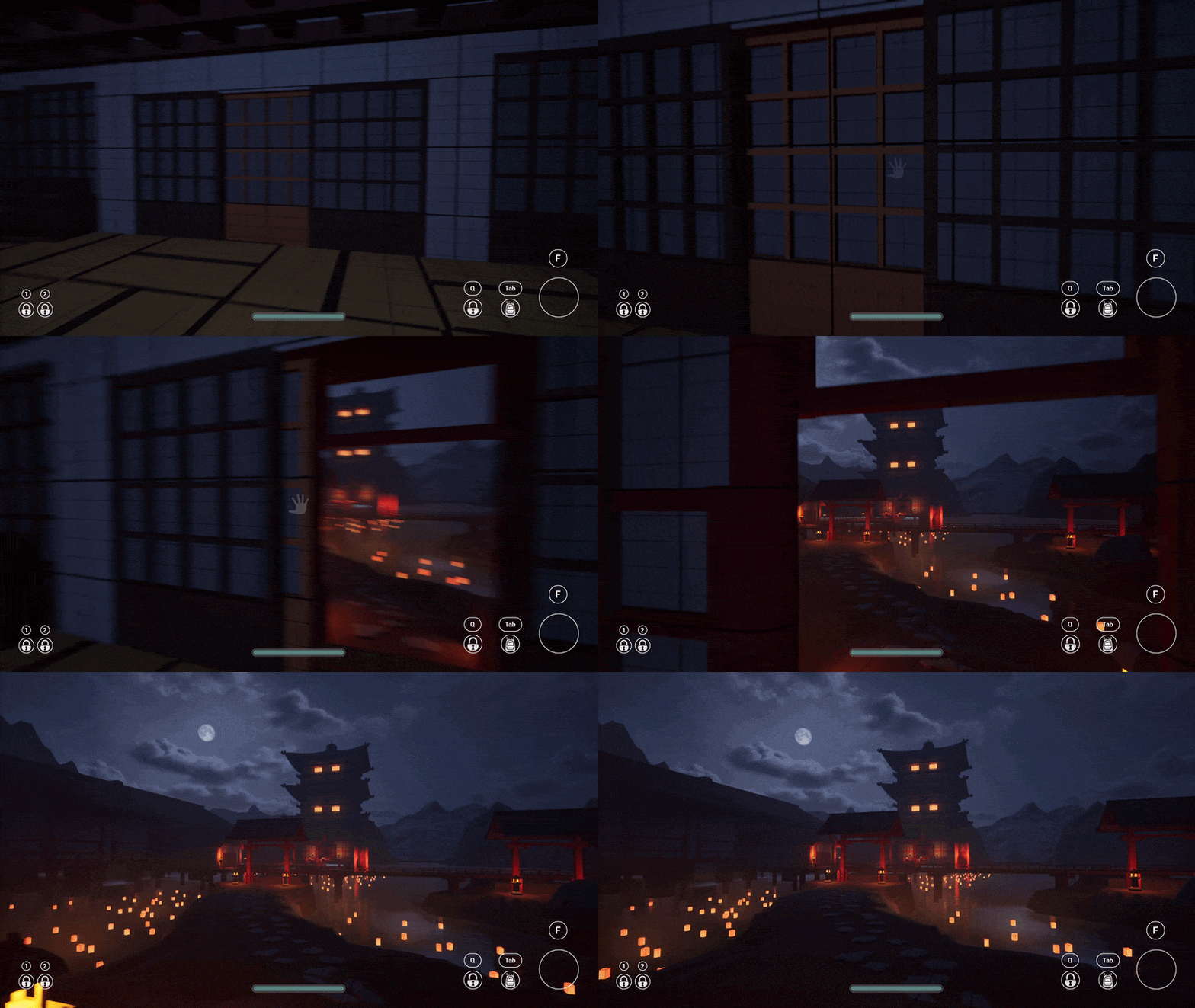
The setting of the level draws heavily on the “Dark Shrine” from Silent Hill f, the goal of this piece was to achieve a similar eerie atmosphere.

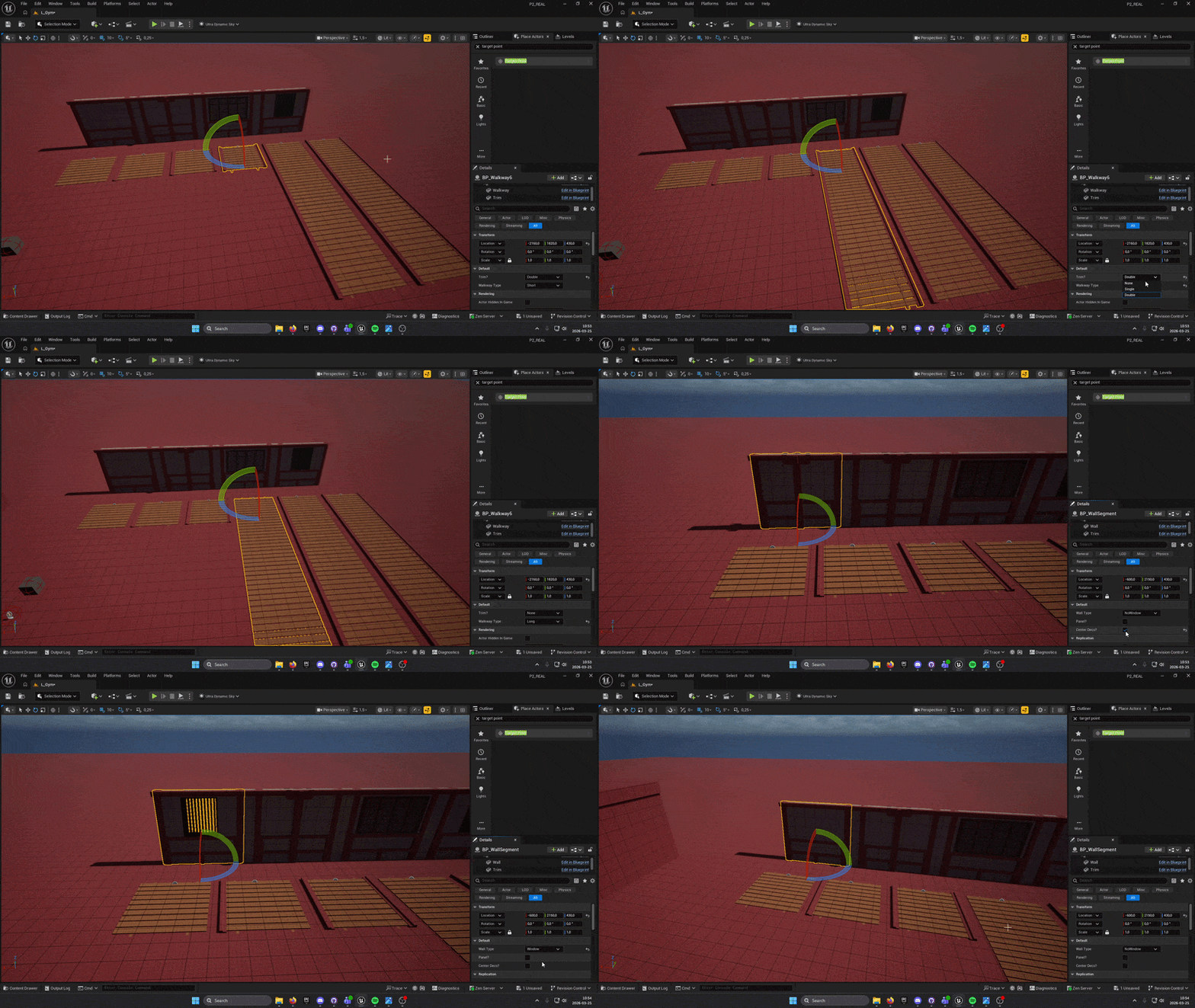
The first and most important step in this process was creating a kit of modular blueprints I could quickly adapt and tweak, instead of making a bunch of different meshes for every situation.

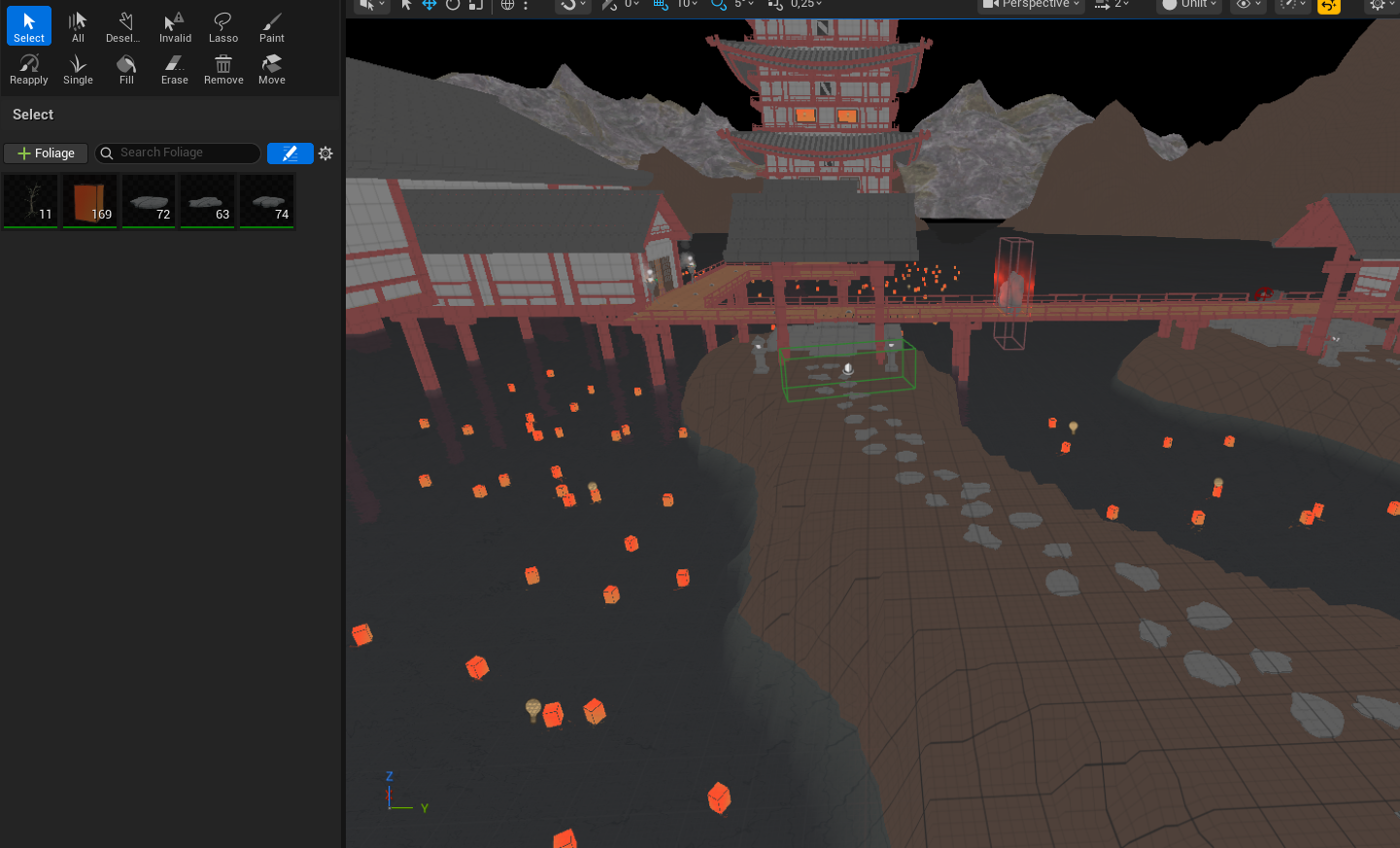
I used the foliage tool to quickly place out smaller meshes like lanterns and rocks, saving me a bit of time on placing them all manually

Working with small varied meshes let me add a lot of detail to otherwise very flat surfaces, such as using planks for walkways and adding modular trim pieces.

Full Playthrough

Conclusion

This project is the most accurate reflection of what I value and find fun to work with as a designer, and creating it has been such a great experience.

It served as a perfect exercise in finally applying a lot of principles I’ve only experienced as a player but never worked with, such as creating suspense and an eerie atmosphere.

If I were to go back to this project and keep working the first step would be to improve the candle system, such as implementing light detection and other interactions with the enemies.

I also spent a bit of time developing a far more advanced enemy, inspired by stalker enemies like Nemesis (Resident Evil 3) and the Xenomorph (Alien) that never made it to the final version. With more time I could potentially refine it enough to where it could be implemented in place of the very rudimentary AI present in the level currently.
I am part of The Game Assembly’s internship program. As per the agreement between the Games Industry and The Game Assembly, neither student nor company may be in contact with one another regarding internships before April 15th. Any internship offers can be made on April 27th, at the earliest.